Side Tables: A Simple Way to Complete Your Living Room
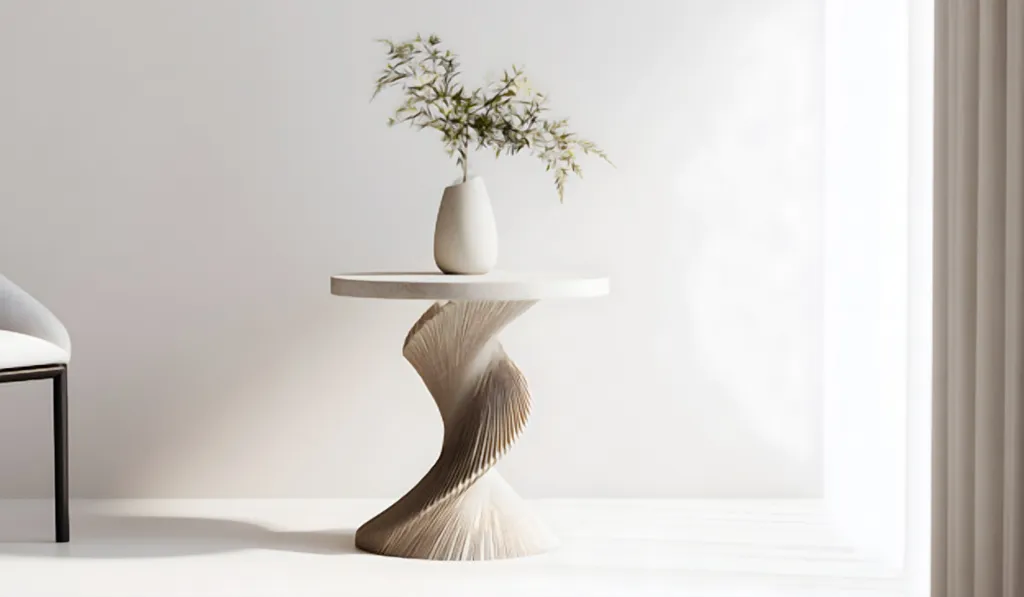
A well-designed living room is about more than choosing a comfortable sofa or a stylish coffee table. Every piece of furniture should work together to create a space that feels balanced, practical, and inviting. While side tables are often seen as a finishing touch, they can have a significant impact on both the appearance and functionality of a room.
Choosing the right side table allows homeowners to improve both the style and usability of their living room. With thoughtful placement and the right design, a side table can transform an ordinary seating area into a space that feels complete and comfortable.
Why Side Tables Matter in Living Room Design
Side tables may be smaller than other living room furniture, but their contribution is just as important. They create practical surfaces beside seating areas while helping the room feel organised and visually balanced. Without them, a living room can often appear unfinished, even when larger furniture pieces have been carefully selected.
These versatile tables provide a convenient place for lamps, books, drinks, decorative accessories, and everyday items that need to remain within easy reach. Instead of leaving these belongings scattered across the room, side tables help maintain a neat and functional environment.
How Side Tables Bring Balance to Your Living Room
Filling Empty Spaces Naturally
Large living rooms often have gaps that make the space feel incomplete, while smaller rooms can sometimes lack visual structure. A carefully positioned side table helps fill these areas without making the room feel crowded.
Placed beside a lounge or armchair, a side table creates a natural transition between furniture pieces. It gives purpose to unused corners while improving the overall flow of the room.
Creating Visual Harmony with Existing Furniture
A well-designed living room relies on furniture that complements rather than competes with one another. Side tables help create consistency by matching or coordinating with existing materials, colours, and finishes. Whether the room features timber furniture, metal accents, or glass surfaces, selecting a side table with similar design elements creates a more cohesive appearance.
When arranging sofas in Perth homes, placing the side tables beside the sofa creates a practical layout while improving the visual connection between seating and surrounding furniture.
Keeping Everyday Essentials Within Reach
One of the greatest advantages of side tables is the convenience they provide during everyday life. Instead of reaching across the room for frequently used items, everything remains close at hand.
A side table can comfortably hold a coffee cup, television remote, reading glasses, favourite book, or mobile phone while keeping the main seating area uncluttered. This simple addition improves the functionality of the living room without requiring extra furniture or occupying significant floor space.
Adding Practical Storage Without Bulk
Many modern side tables include storage features that make them even more useful. Drawers, lower shelves, and compact storage compartments provide extra space for organising everyday belongings while maintaining a clean appearance.
Some popular storage features include:
- Small drawers for remotes, chargers, and personal items.
- Open shelves for books and magazines.
- Compact nesting tables that offer flexible surface space.
- Lower compartments for decorative baskets or storage boxes.
These practical designs help reduce visible clutter while keeping essential items neatly organised.
Common Mistakes To Avoid That Can Make a Living Room Feel Incomplete
Even beautifully furnished living rooms can feel unfinished if side tables are not selected or positioned correctly. Paying attention to a few common mistakes helps create a more balanced and functional space. Some mistakes to avoid include:
- Overcrowding the tabletop with too many decorative accessories.
- Mixing unrelated materials and finishes that clash with existing furniture.
- Blocking walkways by placing tables in awkward positions.
- Ignoring storage needs when selecting a design.
- Choosing trends that may quickly go out of style instead of timeless designs.
Avoiding these mistakes helps create a living room that feels complete, comfortable, and well organised.
Final Thoughts
Side tables are often one of the final furniture pieces added to a living room, yet they play a major role in completing the overall design. They provide practical surfaces for daily use, improve organisation, and bring visual balance to the seating area. Whether used for displaying decorative items, supporting everyday essentials, or adding convenient storage, the right side table enhances both style and functionality.
Frequently Asked Questions
Why are side tables important in a living room?
Side tables improve both functionality and appearance by providing convenient surfaces while helping create a balanced furniture arrangement.
Where should a side table be placed?
They are commonly positioned beside sofas, armchairs, or reading chairs where they can easily support everyday activities.
What should be kept on a side table?
Items such as lamps, books, drinks, decorative accessories, plants, or remote controls are all practical choices.
Can side tables include storage?
Yes. Many designs feature drawers, shelves, or nesting options that provide additional storage without taking up much space.
How can a side table improve a small living room?
A compact side table adds useful surface space, keeps essential items organised, and helps the room feel more complete without creating clutter.